
Understanding Ultra-Low Temperature High Rate Starting Power Supplies: Key Insights
Ultra-Low Temperature High Rate Starting Power Supplies (ULTHR SPS) are specialized power systems designed to operate efficiently in extreme cold conditions while providing high starting power rapidly. These power supplies are crucial in various applications, particularly in sectors where reliable energy sources are essential, even in frigid environments. Understanding the core principles of ULTH
Mar 24,2026
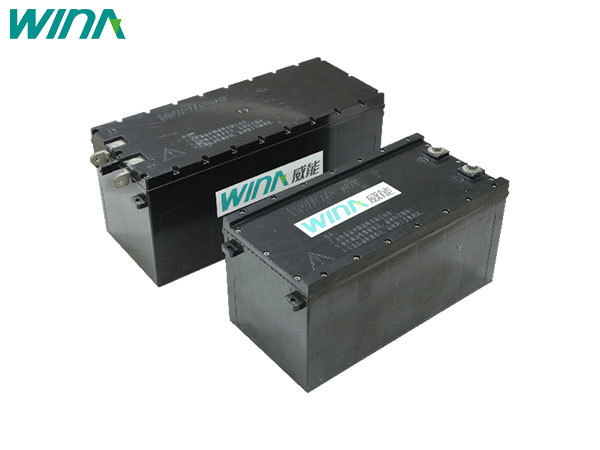
Ultra-Low Temperature High Rate Starting Power Supplies (ULTHR SPS) are specialized power systems designed to operate efficiently in extreme cold conditions while providing high starting power rapidly. These power supplies are crucial in various applications, particularly in sectors where reliable energy sources are essential, even in frigid environments.
Understanding the core principles of ULTHR SPS begins with their construction. They often utilize advanced battery technologies that can sustain performance in low temperatures, such as lithium-based chemistries or specially formulated lead-acid batteries. These batteries are engineered to minimize internal resistance, which is a common challenge at lower temperatures. A critical feature of ULTHR SPS is their ability to deliver high discharge rates, which is essential for applications requiring immediate high power, such as engine starting in cold climates.
One of the main benefits of ULTHR SPS is their reliability. In industries like automotive, aerospace, and telecommunications, where equipment must function without fail regardless of environmental conditions, these power supplies ensure that operations can continue seamlessly. Moreover, these systems are designed to manage thermal conditions effectively, preventing battery degradation and ensuring longevity.
The charging characteristics of ULTHR SPS are also noteworthy. They can incorporate sophisticated charging algorithms that adapt to temperature fluctuations, optimizing the charging process to maintain battery health. Additionally, features like temperature compensation help extend the life span of the batteries by adjusting the charging voltage based on ambient conditions.
Another critical aspect is the integration of safety mechanisms within ULTHR SPS. These include overcurrent protection, short-circuit protection, and thermal management systems to prevent overheating. Such features are vital in ensuring safety, especially when deployed in challenging environments where equipment failure could lead to significant operational disruptions.
In conclusion, Ultra-Low Temperature High Rate Starting Power Supplies represent a vital innovation within the energy sector, particularly for applications requiring reliable performance in extreme conditions. Their ability to deliver high starting power efficiently and manage battery health through advanced technology makes them indispensable in modern electrical systems. As industries continue to evolve and face new challenges related to climate and energy demands, the role of ULTHR SPS will undoubtedly become increasingly significant.
Understanding the core principles of ULTHR SPS begins with their construction. They often utilize advanced battery technologies that can sustain performance in low temperatures, such as lithium-based chemistries or specially formulated lead-acid batteries. These batteries are engineered to minimize internal resistance, which is a common challenge at lower temperatures. A critical feature of ULTHR SPS is their ability to deliver high discharge rates, which is essential for applications requiring immediate high power, such as engine starting in cold climates.
One of the main benefits of ULTHR SPS is their reliability. In industries like automotive, aerospace, and telecommunications, where equipment must function without fail regardless of environmental conditions, these power supplies ensure that operations can continue seamlessly. Moreover, these systems are designed to manage thermal conditions effectively, preventing battery degradation and ensuring longevity.
The charging characteristics of ULTHR SPS are also noteworthy. They can incorporate sophisticated charging algorithms that adapt to temperature fluctuations, optimizing the charging process to maintain battery health. Additionally, features like temperature compensation help extend the life span of the batteries by adjusting the charging voltage based on ambient conditions.
Another critical aspect is the integration of safety mechanisms within ULTHR SPS. These include overcurrent protection, short-circuit protection, and thermal management systems to prevent overheating. Such features are vital in ensuring safety, especially when deployed in challenging environments where equipment failure could lead to significant operational disruptions.
In conclusion, Ultra-Low Temperature High Rate Starting Power Supplies represent a vital innovation within the energy sector, particularly for applications requiring reliable performance in extreme conditions. Their ability to deliver high starting power efficiently and manage battery health through advanced technology makes them indispensable in modern electrical systems. As industries continue to evolve and face new challenges related to climate and energy demands, the role of ULTHR SPS will undoubtedly become increasingly significant.

Request Quote
Note: Please be sure to fill in the information accurately and keep communication open, we will get in touch with you as soon as possible